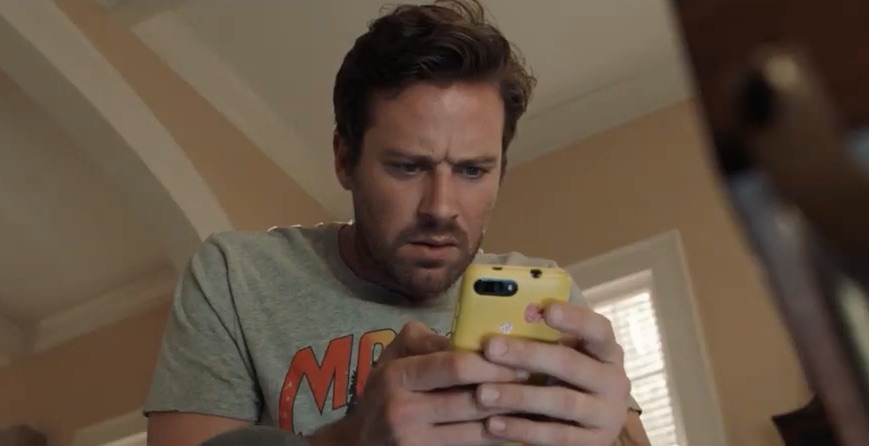
After an incredible debut with Under the Shadow, writer-director Babak Anvari’s second feature can only be considered a disappointment. Based on the novella The Visible Filth by Nathan Ballingrud, the story follows Will (Armie Hammer; The Lone Ranger), a bartender in Louisiana, that leads a steady, but happily aimless life drinking heavily and enjoying himself. After breaking up a bar fight, he picks up a cell phone left by some college students and accidentally takes it home. He finds some alarming text messages asking for help and, believing it to be a prank, tells them to come back to the bar to pick up the phone. Soon the texts become dangerous and he discovers horrifying pictures and videos of body parts and what appears to be torture. He decides to give the phone to local police officers that frequent his bar, but the pull of the phone and its transgressive material begins to seep into his life.
Hammer continues to be an actor that looks the part of the leading man, almost to a ridiculous degree, but doesn’t have the acting talent to match. His deep voice lacks nuance in his delivery and his attempts at inflections during dramatic moments feel forced and stilted. He struggles to emote with his monotone diction and doesn’t have enough material to support him. Will, as a character, is mostly hollow. Some of this is in keeping with the themes of the story, but it doesn’t make him an engaging presence. He is never given enough background or motivation to add depth to his character and the supporting cast is similarly vacant.
While Anvari’s first film was a demonstration of complete directorial control, Wounds is lackluster. The film never maintains any level of sustained tension and struggles to even produce fleeting moments of suspense. Under the Shadow featured many scenes of poised camerawork that was fraught with impending peril as well as creative compositions, but none of that skill is present here. The majority of the film is shot with fairly standard blocking, sorely missing any personal style. There are a few jump scares, but they appear randomly and too briefly to have any effect. Worst of all, they have no relation to the story. For example, a close-up of a loud, dusty air conditioning unit is spliced in between two random scenes as a jump scare, but it only produces confusion. Decisions like this raise questions about the director’s judgement and vision in creating the film.
Some of the poor results can be blamed on the source material. The Visible Filth is an intriguing story, but one that may not have been a good fit for the big screen. Moments of tension created by unknown, potentially sinister text messages and voicemails work well on the page, but in cinematic form this becomes images of adults looking at their phones which doesn’t carry the same level of dread. This failed translation is especially harmful in the film’s conclusion. It resolves little for those who held on hoping for a worthwhile reveal for the story’s struggling mystery. The ending, while true to the source material, is so bland visually that Anvari resorts to mediocre computer generated effects to obscure the screen and hide its banality. Wounds isn’t an offensively bad film, but it is a bland and forgettable one which, given its pedigree, makes it profoundly disappointing.

2/5 stars.
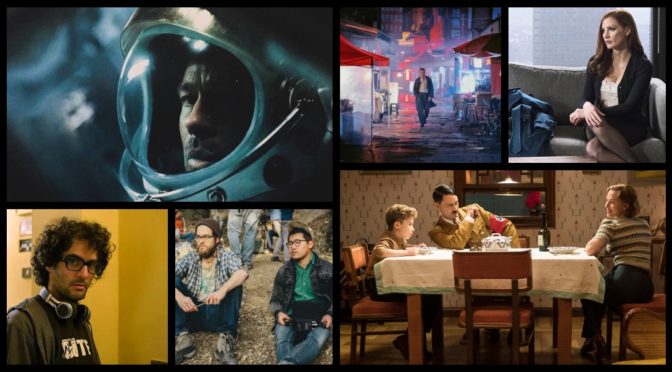
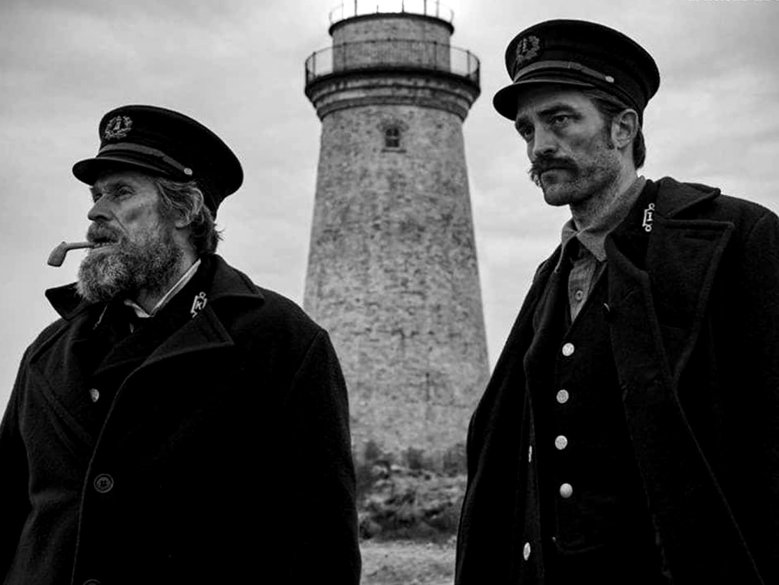 The Witch is one of the most interesting horror movies of the past few years, with meticulous period detail and escalating paranoia that few films can achieve. Robert Eggers’s follow up is sure to be in the same vein with Willem Dafoe playing an elderly lighthouse keeper in this dark horror-fantasy.
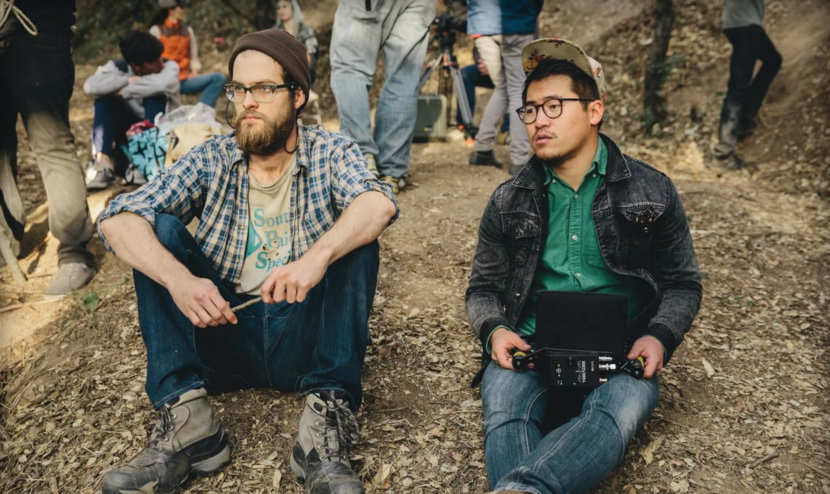 Very little is known about the newest film from the Daniels, but their involvement is enough to warrant a place on this list. The film is described as an “inter-dimensional action film” with Michelle Yeoh and Awkwafina of Crazy Rich Asians starring. I’m personally not a huge fan of Awkwafina’s style of humor, but the Daniels’ history of creating
 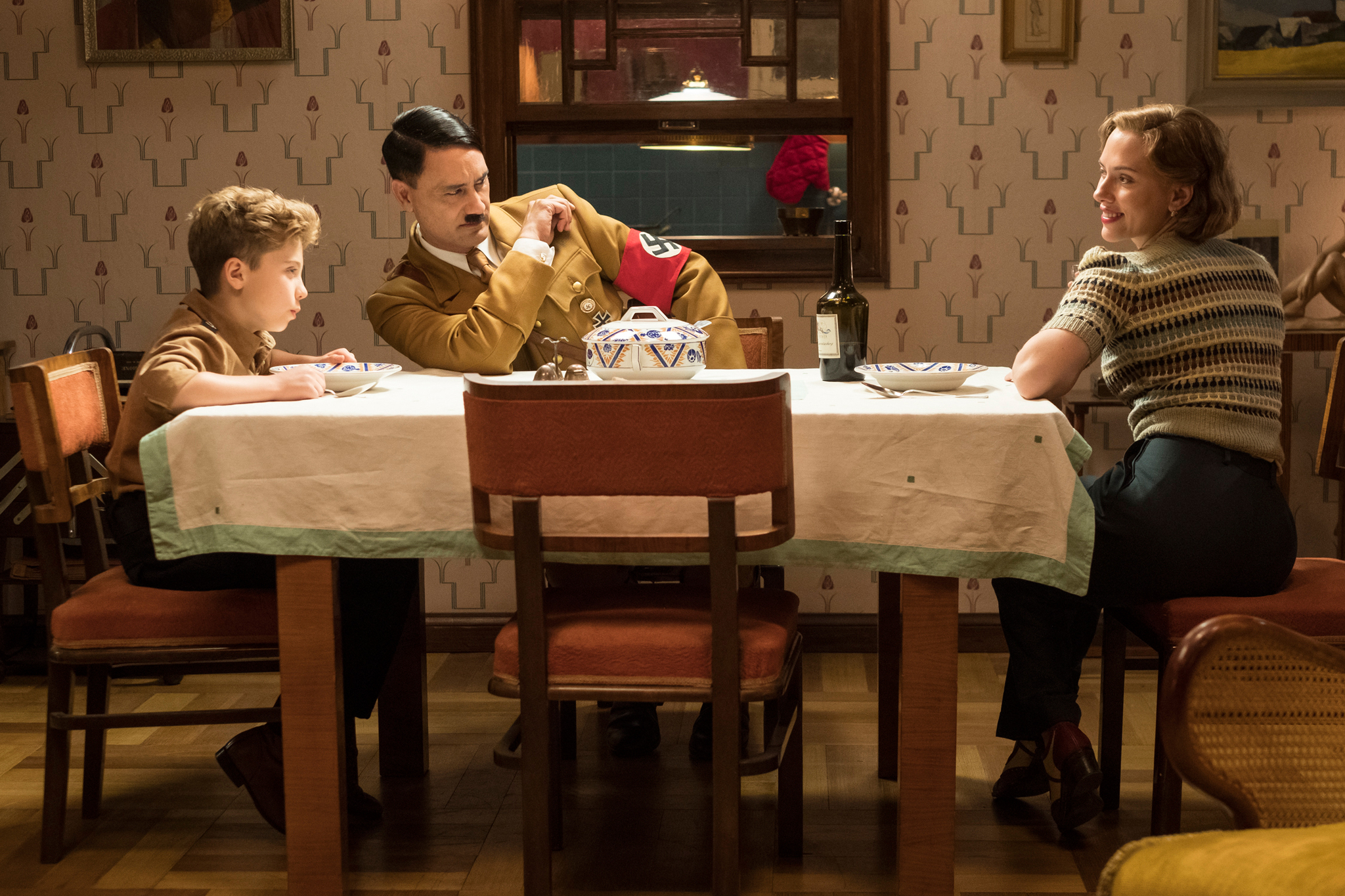 WWII Germany is not where most people would think to set a comedy, but most people aren’t Taika Waititi. Hunt for the Wilderpeople was one of my favorite movies of 2016 and coming off Thor: Ragnarok, a studio film that neutered many of his best quirks, it’s nice to see him return to a smaller scale. The script is hilarious and features another precocious boy in a coming of age story with Waititi playing the child’s imaginary friend: Hitler. The film is filled with the well-meaning buffoons and dialogue misunderstandings that make his work so consistently entertaining.
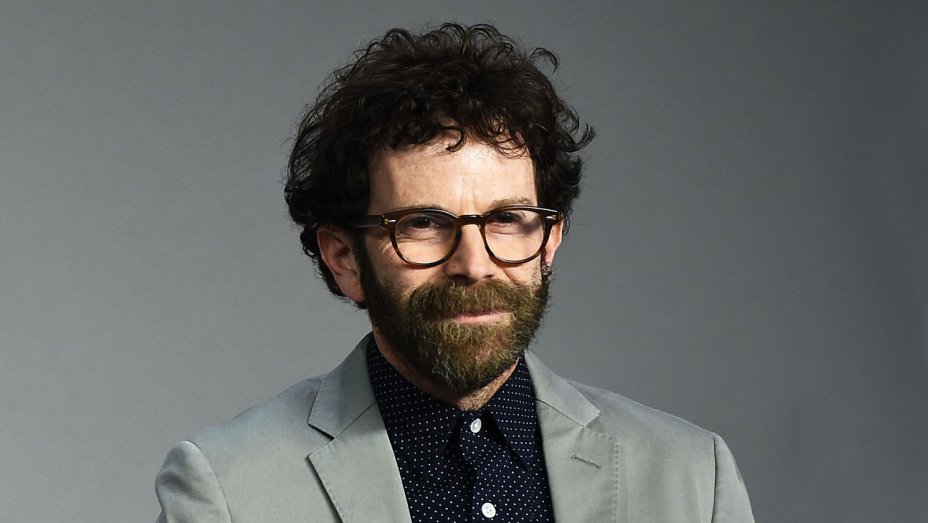 It’s been more than a decade since Charlie Kaufman (Eternal Sunshine of the Spotless Mind) released a live action feature. His movies can sometimes be too reflexive for their own good, but are always thought-provoking. With some added freedom and budget from Netflix, he can hopefully put together one of his signature introspective stories.
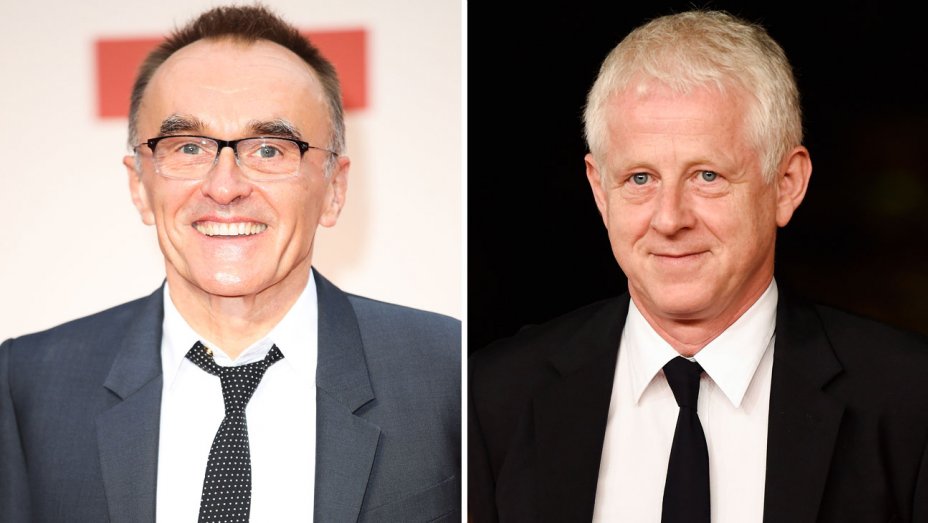 This is the most mainstream film on my list and I can’t deny my appreciation for Richard Curtis’s work (Notting Hill, About Time). Some may call him cheesy, but he creates sympathetic, endearingly awkward characters and stories with unabashed heart. The pairing of his writing with strong direction from Danny Boyle seems like a great fit. The film’s story follows a struggling musician who, for currently unknown reasons, is the only person able to remember the Beatles and uses their music to launch his own career. This silly, but promising setup with a talented cast starring Himesh Patel and Lily James could be one of the most crowd-pleasing movies of the year.
 After opening to incredible reviews at Cannes this year, Bi Gan’s sophomore feature has hit unexpected pre-sale records in China and is poised to be an arthouse breakout there. The film has received huge praise for its dreamy visuals, startling use of 3D, and a supposedly 50+ minute long take. Building off his stellar debut Kaili Blues and tackling new artistic challenges, Bi Gan is shaping up to be an original filmmaker to watch.
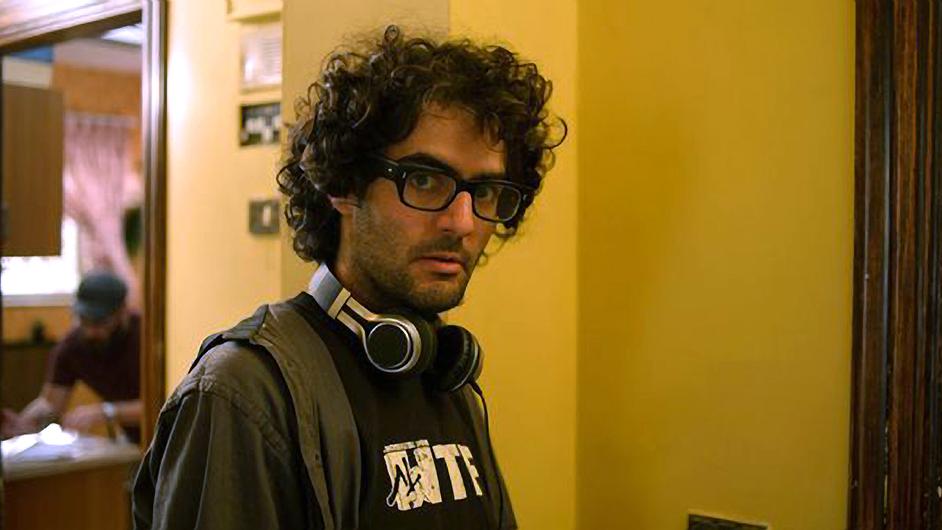 Babak Anvari’s feature debut Under the Shadow was
 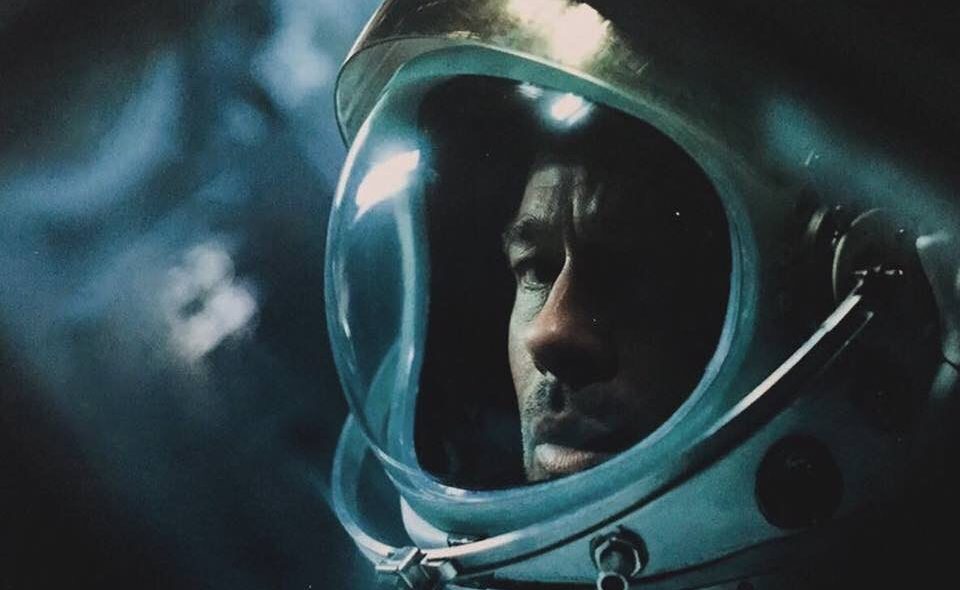 This sci-fi thriller, co-written and directed by James Gray, may be the movie that delivers on what Interstellar could not. The film stars Brad Pitt as an engineer who travels through space searching for his father, played by none other than Tommy Lee Jones, who has been missing since he left for a mission to Neptune 20 years earlier. Ad Astra has Gray’s largest budget to date and with his focus on character and proven ability to tell decade spanning epics (The Lost City of Z), it could be the smart sci-fi we’ve been waiting for.
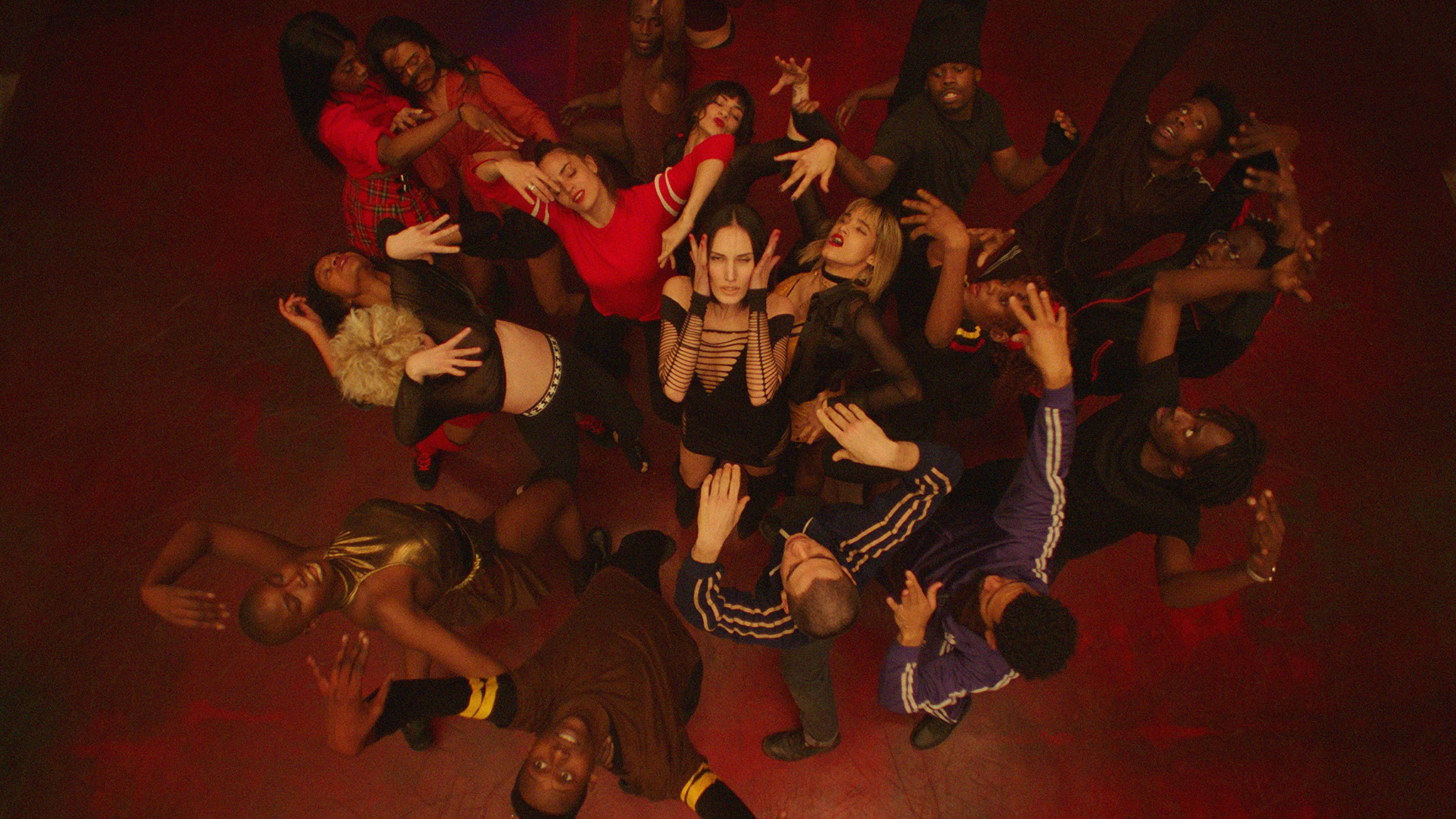 Gaspar Noé is one of my favorite filmmakers. He may be a provocateur and indulge himself in some unnecessary scenes, but he also creates visceral experiences like no other. Climax premiered at Cannes this year to the most positive reviews of Noé’s career, so much so that