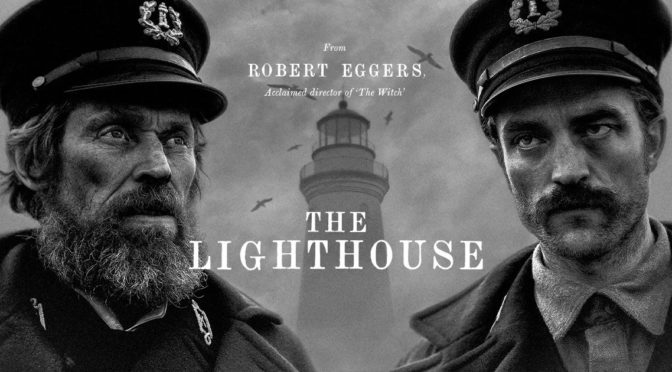
Refusing to fit the mold of standard horror films, Robert Eggers (The Witch) has created another hyper-specific period piece, albeit with poor results. Winslow (Robert Pattinson; Good Time) is brought to a remote island to work as a lighthouse keeper under the supervision of Wake (Willem Dafoe; The Florida Project). The men begin a terse working relationship, but animosity grows as the two develop suspicions about each other’s intentions.
If nothing else, the film is devoted to its aesthetic. Eggers, a former production designer, has created a world worn down by the ocean. The lighthouse has a brick façade with weathered paint and the ramshackle house they live in is cramped and broken-down. The buildings are built for functionality, not comfort and it adds to the prison-like feeling of the location. Eggers also chooses to avoid modern conventions by neither shooting his film in color nor in widescreen to add to the period’s authenticity. While other filmmakers often use black and white out of nostalgia or beauty, Eggers uses it for its harshness. The visuals are in the vein of German Expressionism and hint at the potential for insanity, even if the film isn’t able to add meaning to that insanity.
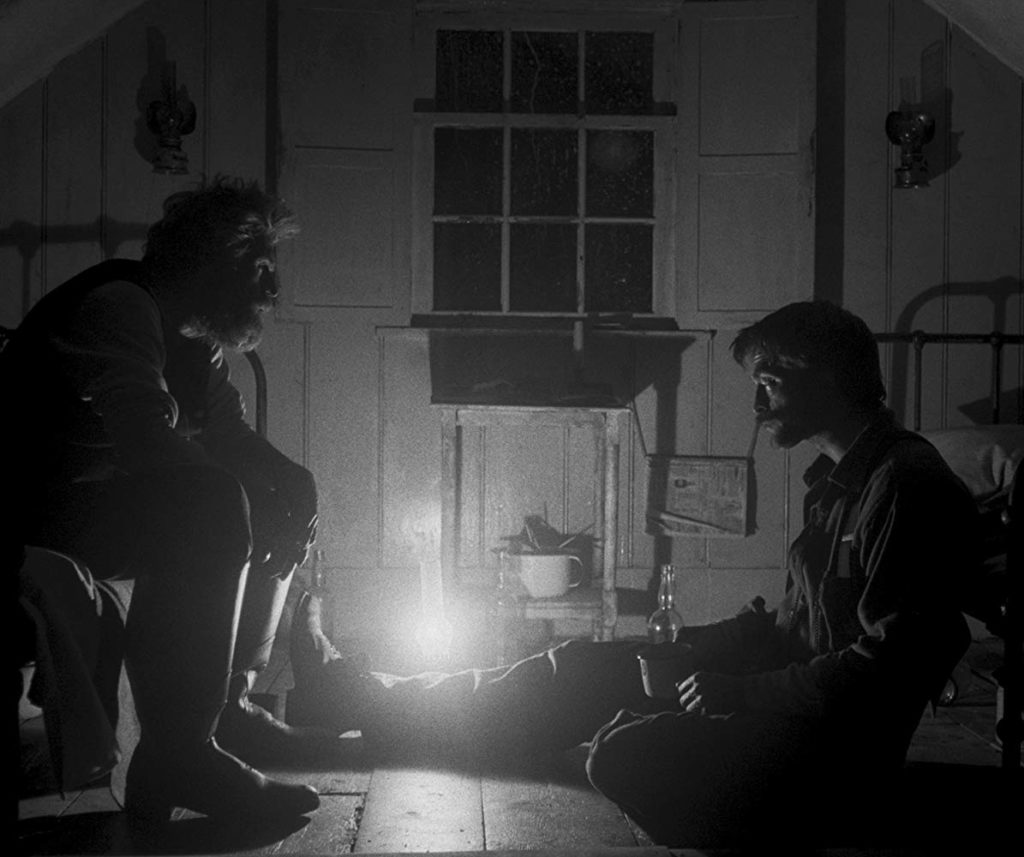
Pattinson and Dafoe carry nearly the entire film and are fully invested in their roles. Neither Winslow nor Wake seem like the kind of people anyone would want to be stuck on a remote island with. Both appear to be hiding some part of their past. Pattinson’s Winslow is, comparatively, the relatable character. He wants to avoid small talk or drinking and focus on the work ahead until their tour of duty is over. Dafoe’s Wake has other interests in mind. He is cranky, impulsive, and enjoys his power over Winslow as he demeans him and has him slave over difficult, unnecessary tasks for his own sadistic pleasure. There are moments when he appears to be kind as he invites Winslow to drink with him, but behind each of these actions is a short, potentially dangerous temper. His impulsiveness and cruelty is what allows for the Winslow’s suspicions to form.
Eggers uses the dynamic between Winslow and Wake and their isolation to fuel to film’s mystery. As Winslow is mistreated by Wake, he begins to doubt Wake’s intentions. He suspects that Wake is hiding something from him when he refuses to let him onto the top floor of the lighthouse. Additionally, in his loneliness, Winslow begins to see strange occurrences like animals behaving oddly and images that may or may not be hallucinations. The unknown combined with the potentially unhinged thoughts lead to several strange scenes of erratic behavior that range from rude to oddly humorous to aggressive. As unique as the situations may be, the film’s failing is that these moments don’t progressively build on each other. They instead feel like only partially connected abnormalities. In The Witch, a film that was also built on mistrust with a potentially supernatural bent, every scene escalated the story’s tension in a cohesive direction that built to a conclusion in line with the bizarre events that preceded it. In The Lighthouse, committed performances and distinctive visuals can’t save a narrative that never unites its unusual digressions to create tension, horror, or an ending that gives meaning to the bizarre occurrences.

2/5 stars.
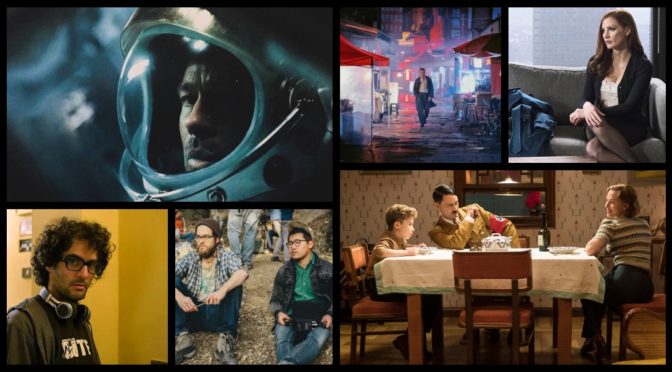

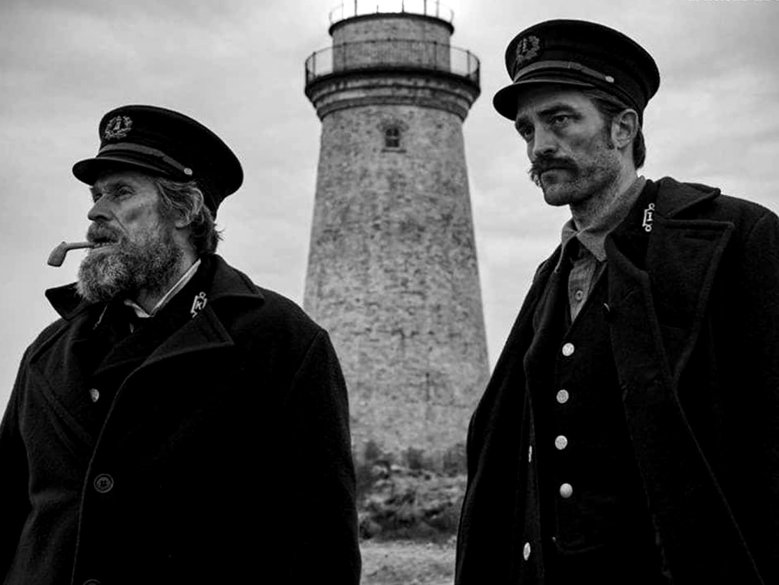 The Witch is one of the most interesting horror movies of the past few years, with meticulous period detail and escalating paranoia that few films can achieve. Robert Eggers’s follow up is sure to be in the same vein with Willem Dafoe playing an elderly lighthouse keeper in this dark horror-fantasy.
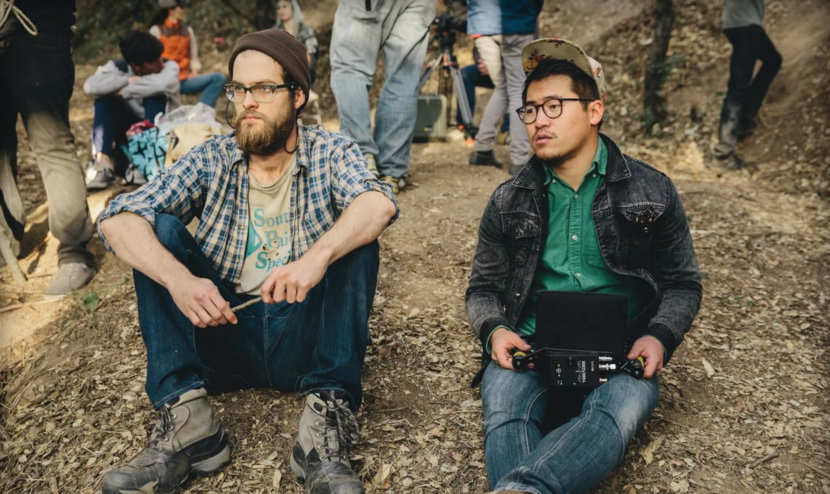 Very little is known about the newest film from the Daniels, but their involvement is enough to warrant a place on this list. The film is described as an “inter-dimensional action film” with Michelle Yeoh and Awkwafina of Crazy Rich Asians starring. I’m personally not a huge fan of Awkwafina’s style of humor, but the Daniels’ history of creating
 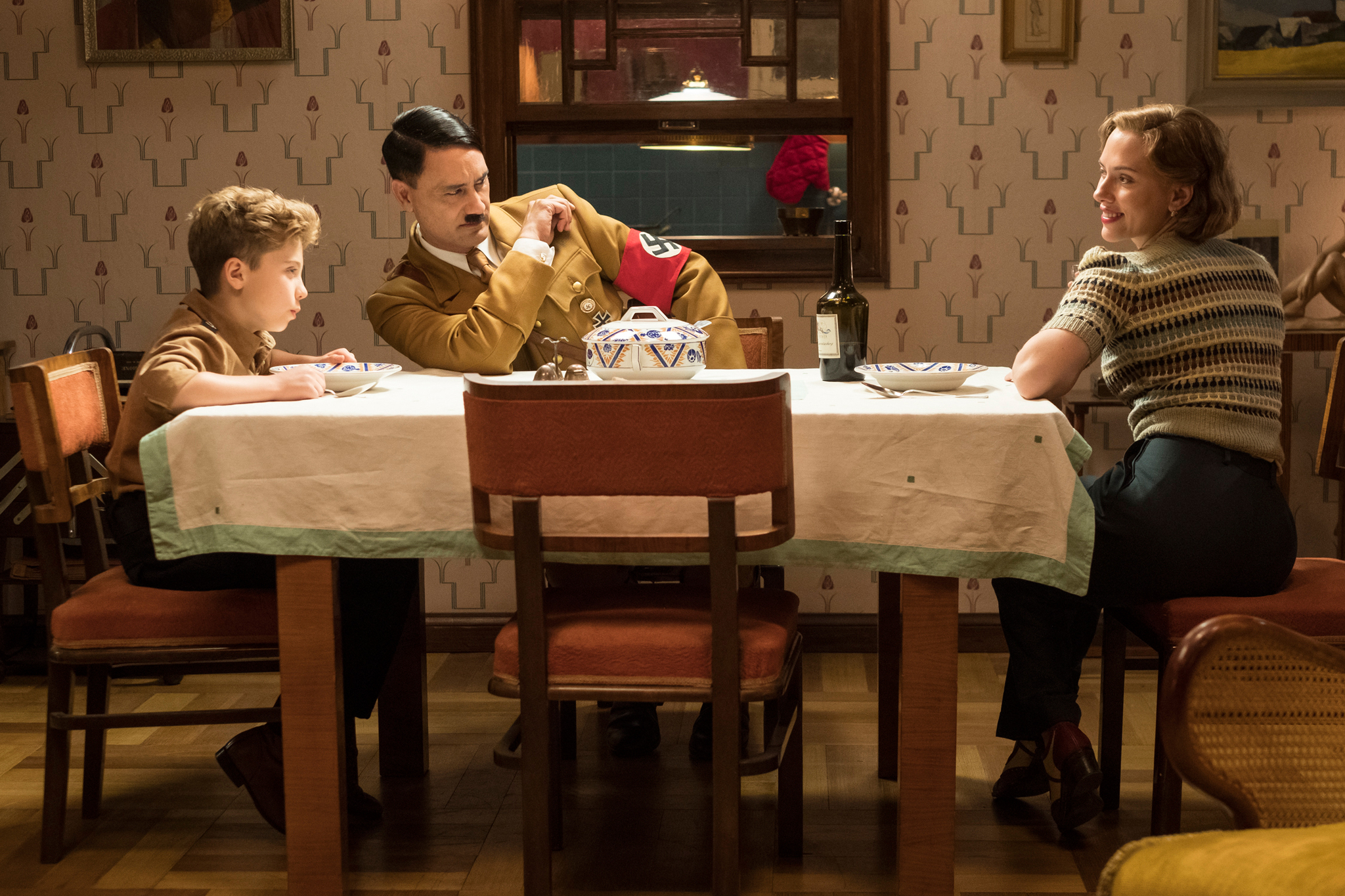 WWII Germany is not where most people would think to set a comedy, but most people aren’t Taika Waititi. Hunt for the Wilderpeople was one of my favorite movies of 2016 and coming off Thor: Ragnarok, a studio film that neutered many of his best quirks, it’s nice to see him return to a smaller scale. The script is hilarious and features another precocious boy in a coming of age story with Waititi playing the child’s imaginary friend: Hitler. The film is filled with the well-meaning buffoons and dialogue misunderstandings that make his work so consistently entertaining.
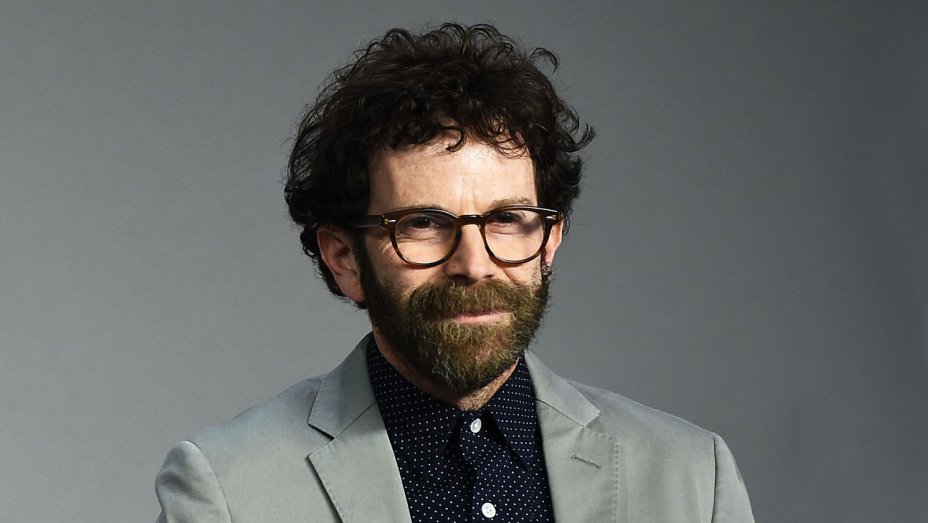 It’s been more than a decade since Charlie Kaufman (Eternal Sunshine of the Spotless Mind) released a live action feature. His movies can sometimes be too reflexive for their own good, but are always thought-provoking. With some added freedom and budget from Netflix, he can hopefully put together one of his signature introspective stories.
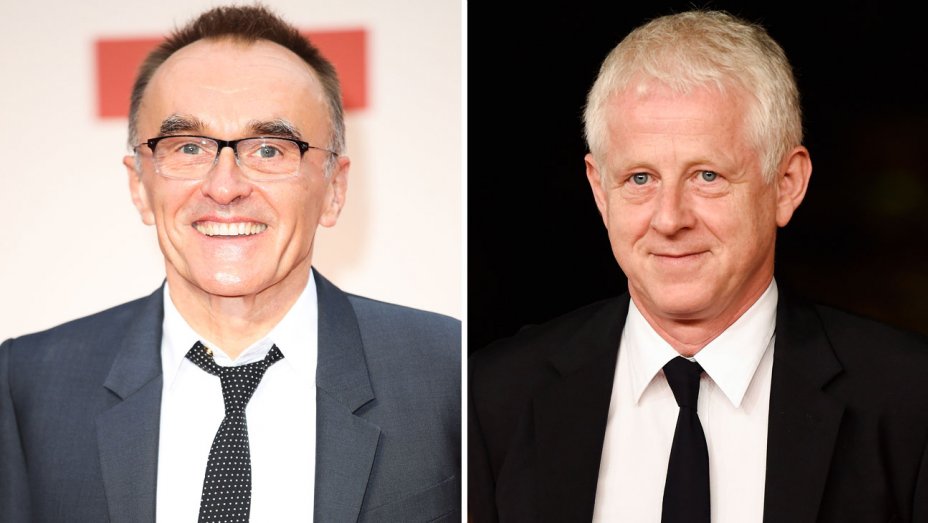 This is the most mainstream film on my list and I can’t deny my appreciation for Richard Curtis’s work (Notting Hill, About Time). Some may call him cheesy, but he creates sympathetic, endearingly awkward characters and stories with unabashed heart. The pairing of his writing with strong direction from Danny Boyle seems like a great fit. The film’s story follows a struggling musician who, for currently unknown reasons, is the only person able to remember the Beatles and uses their music to launch his own career. This silly, but promising setup with a talented cast starring Himesh Patel and Lily James could be one of the most crowd-pleasing movies of the year.
 After opening to incredible reviews at Cannes this year, Bi Gan’s sophomore feature has hit unexpected pre-sale records in China and is poised to be an arthouse breakout there. The film has received huge praise for its dreamy visuals, startling use of 3D, and a supposedly 50+ minute long take. Building off his stellar debut Kaili Blues and tackling new artistic challenges, Bi Gan is shaping up to be an original filmmaker to watch.
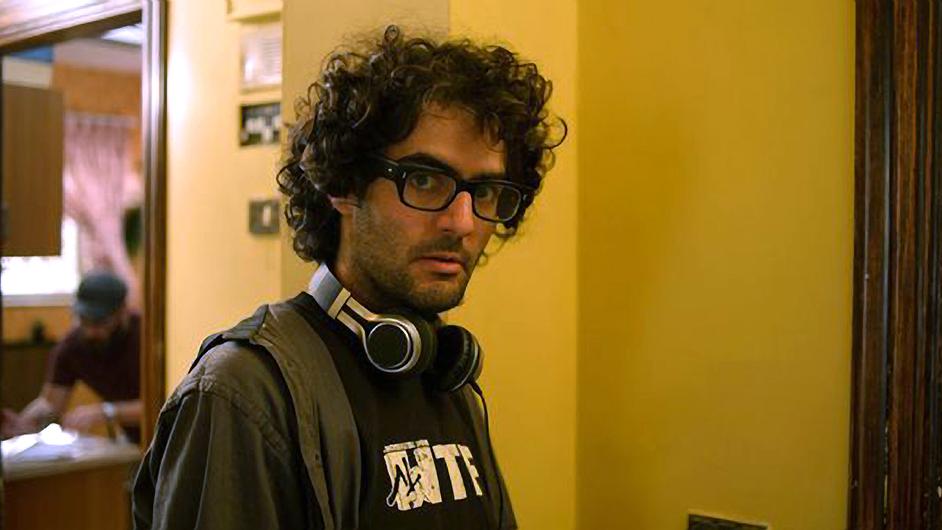 Babak Anvari’s feature debut Under the Shadow was
 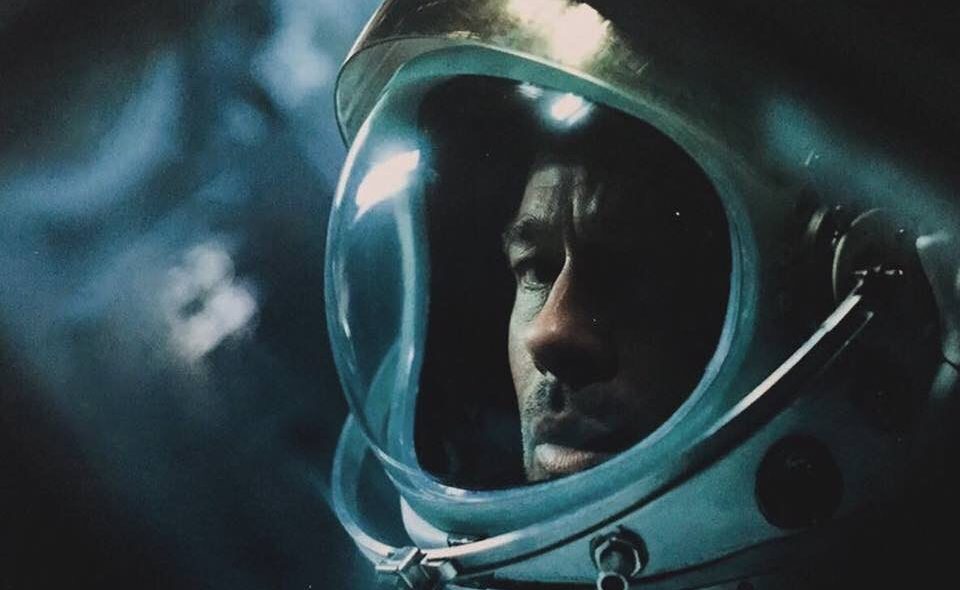 This sci-fi thriller, co-written and directed by James Gray, may be the movie that delivers on what Interstellar could not. The film stars Brad Pitt as an engineer who travels through space searching for his father, played by none other than Tommy Lee Jones, who has been missing since he left for a mission to Neptune 20 years earlier. Ad Astra has Gray’s largest budget to date and with his focus on character and proven ability to tell decade spanning epics (The Lost City of Z), it could be the smart sci-fi we’ve been waiting for.
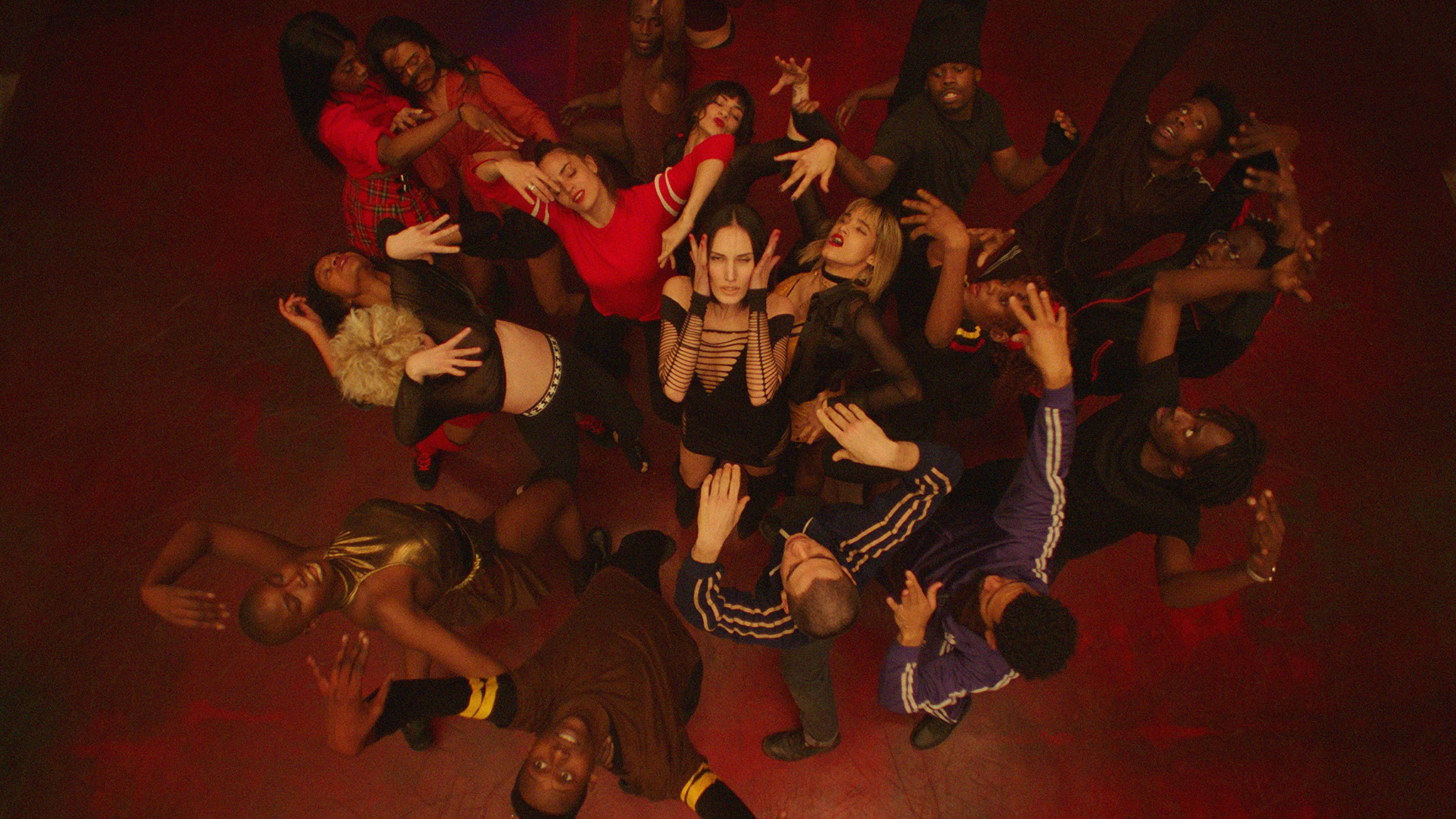 Gaspar Noé is one of my favorite filmmakers. He may be a provocateur and indulge himself in some unnecessary scenes, but he also creates visceral experiences like no other. Climax premiered at Cannes this year to the most positive reviews of Noé’s career, so much so that